
THEOSOPHY literally means “Divine Wisdom.” It can be called Esoteric Philosophy, Esoteric Science, the Esoteric Doctrine, Occult Philosophy, Occult Science, the Sacred Science, the Secret Doctrine, Ancient Wisdom, Ageless Wisdom, Timeless Truth, the Gupta Vidya, and a host of other names.
This hidden body of Knowledge is in the safe keeping of a relatively small number of individuals. They have been called the Masters of the Wisdom. They are Adepts and Initiates belonging to a hidden esoteric Brotherhood which guides and watches over the spiritual evolution and advancement of humanity.
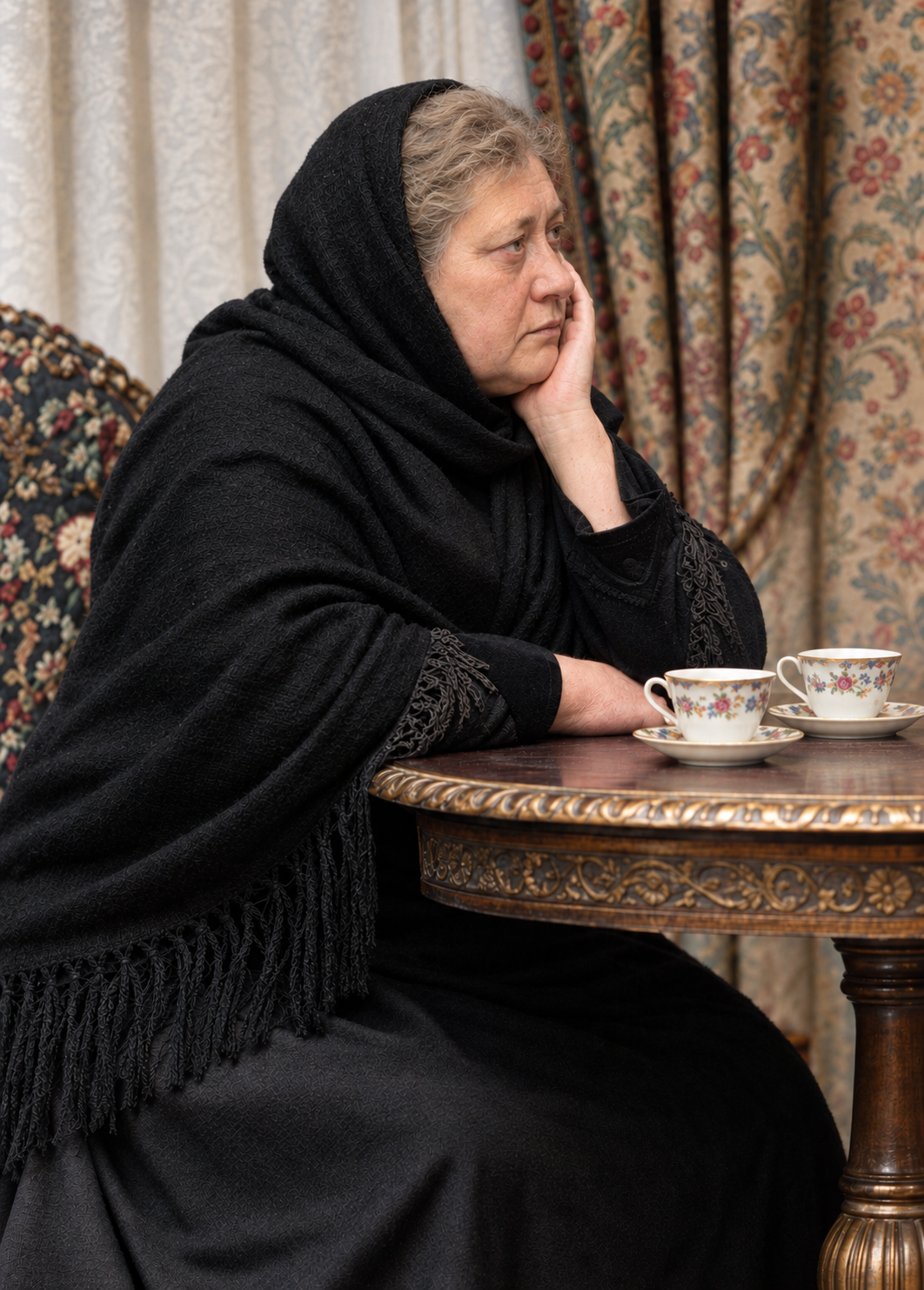
In the 19th century, some Masters belonging to the Trans-Himalayan Brotherhood taught, trained, and prepared a Russian woman named Helena Petrovna Blavatsky (1831-1891) to go forth into the world to give out as much of that Teaching as was permitted.
This took place at a time of important conjunction of occult (hidden) cycles, which related in part to a new cycle within the Kali Yuga, and the end of the Piscean Age and dawn of the New Age of Aquarius. In fulfilling her mission, Madame Blavatsky literally changed the face of world spirituality forever. The Theosophical Society which she and several others founded in 1875 was the first serious introduction of Eastern spiritual-philosophical ideas to the Western world.
Alongside teachings about such fundamentals as Karma, Reincarnation, and the Oneness of All Life, Blavatsky presented to the world certain esoteric spiritual teachings which had never been clearly or directly given out to the public before, such as those about the origin, nature, and future of Earth and humanity (including planetary chains, globes, rounds, root races etc.), Atlantis and Lemuria, detailed explanations of the afterlife state and what happens between death and rebirth, the sevenfold nature of man, the real nature and system of evolution, and the birth, origins, and structure of the Universe.
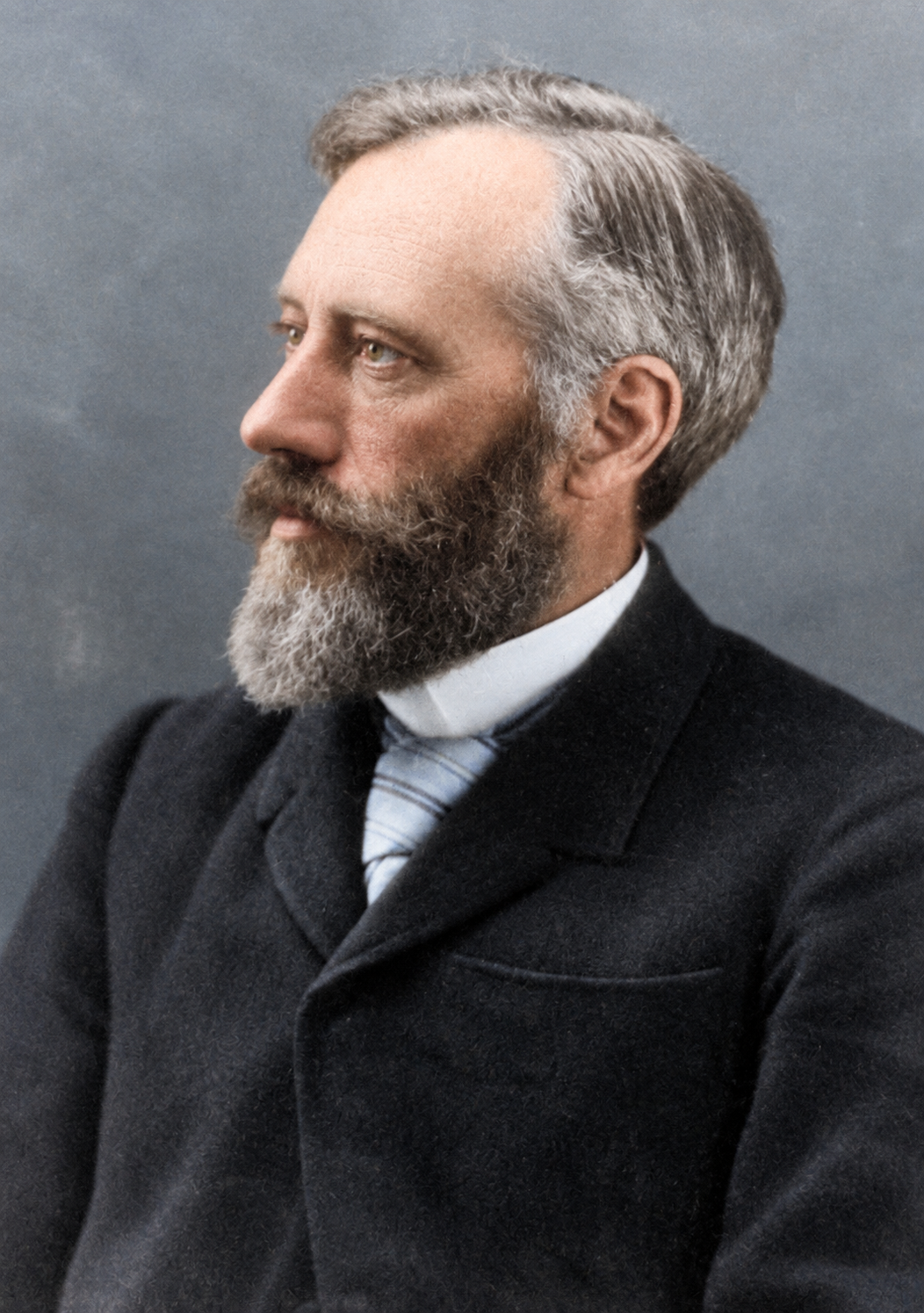
She was assisted most effectively in her work by her most trusted friend and colleague William Quan Judge (1851-1896). They both wrote numerous books, hundreds of articles, and provided translations of sacred texts and commentaries on these. Judge was an affirmed co-disciple of Blavatsky’s own Guru or Master, and she stated that he had been part of her being for aeons.
Theosophy’s heartbeat and constant underlying theme is selfless service to humanity. It is a high and living spiritual philosophy which is to be known and lived. It has the effect of bringing about both an intellectual expansion and a deep and life changing spiritual awakening for those who study and practise it.
After the death of both H. P. Blavatsky and William Q. Judge, the Theosophical Society underwent numerous major changes and long term difficulties, including a shift of focus away from the original and genuine teachings.
Eventually, an association named the United Lodge of Theosophists was established by Robert Crosbie (1849-1919) as an endeavour to keep the authentic Message of the Masters alive and known in the world; in other words, to rescue the spirit or heart of the Theosophical Movement. Today the ULT is an international association with a worldwide influence. This is due in part to the work of B. P. Wadia (1881-1958), another great co-worker of the Mahatmas. The ULT’s mission statement is “To spread broadcast the Teachings of Theosophy as recorded in the writings of H. P. Blavatsky and William Q. Judge.”
This website was begun by an associate of the ULT in London, England, and is dedicated to providing clear and reliable information and explanation regarding all aspects of Theosophy and the Theosophical Movement.
If you are new to Theosophy, we recommend starting with some of the articles linked to in the top menu and also invite you to browse through the Articles page which lists and links to more than 400 articles designed to assist spiritual seekers, serious searchers after Truth, as well as existing students of Theosophy. The articles are grouped into categories: The Law of Karma, Death, The Afterlife & Reincarnation, Theosophical Teachings, H. P. Blavatsky and Theosophy, Spiritual Living and Practice, The Masters, Later Versions of Theosophy & Controversies, Hinduism, Buddhism and Taoism, and Christianity, Judaism, Islam. We trust that in these you will find many of your questions answered.
Theosophy has been called the Science of Life and the Art of Living. For too many, however, it is purely an intellectual and theoretical acquisition, whereas its value in practical application to the circumstances, difficulties, and challenges of life is immense, and also indispensable when it comes to the inevitable problems one faces in one’s spiritual journey. This is something we seek to emphasise on this website.
We also seek to emphasise the universal nature and character of Theosophy. Rather than simply defining Theosophy as “the teachings of H. P. Blavatsky and William Q. Judge,” we point out – as they also constantly did – that the Theosophia or Divine Wisdom has always existed in the world and that in many of the sacred texts of the world’s mystical traditions can its sparkling jewels be found. Theosophy pre-dates and transcends the modern Theosophical Movement and also pre-dates and transcends all the world’s religions. The famous motto of the Theosophical Movement is “THERE IS NO RELIGION HIGHER THAN TRUTH.”
But as Robert Crosbie observed: “The Message brought by H. P. Blavatsky is the most universal in its scope, the most nearly all-inclusive and profound in its presentation, of any of the great Messages that the history and traditions of the human race afford. Great Adepts have appeared from time to time, who have been hailed as Avatars by succeeding generations. Great Saviours have visited this and that people and granted them some portion of the Secret Doctrine, which in time degenerated into a religion and a worship. Where in recorded history or tradition known to the Western World has there been so vast a commitment of eternal truth as is embodied in Theosophy? By study and application we are brought to the conclusion that in Theosophy is the greatest Message from the Masters that this race has ever received.”
This site is also associated with an “Original Theosophy” Facebook group which can be joined in order to connect with others around the world interested in studying, discussing, and deepening their understanding of the Theosophical teachings.
© 2012-2026, BlavatskyTheosophy.com. The entirety of the written contents of this website (with the exception of quotations and excerpts from Theosophical books and Theosophical or other literature) is copyrighted. Quoting from, summarising, or paraphrasing any of its contents is permissible to all but permission should be sought before reproducing/replicating any of the articles in their entirety on another site or within a book/publication. To request such permission, please email spiritualrealities3000@gmail.com.

